+86-136-0073-8328 nancy.huang@geotegrity.com
- All
- Product Name
- Product Keyword
- Product Model
- Product Summary
- Product Description
- Multi Field Search


Views: 0 Author: Site Editor Publish Time: 2026-07-01 Origin: Site


Modern diners care deeply about the environmental impact of their food choices. We see this cultural shift happening everywhere today. From high-end bistros to fast-casual food trucks, sustainability truly matters. However, many restaurants still struggle to find reliable eco-friendly takeaway containers. Flimsy paper boxes often leak during transit. Traditional plastics actively harm our fragile planet. This growing dilemma leaves food business owners searching for better options. You need reliable, leak-proof, and earth-conscious alternatives for your daily operations. Upgrading your packaging is no longer just a passing trend. It has become a baseline expectation for building customer loyalty. It establishes genuine brand trust in a highly competitive market.
In this comprehensive guide, you will discover the transformative benefits of plant-based packaging solutions. We will explore exactly how natural sugarcane fibers create incredibly durable food containers. You will also learn practical steps to seamlessly transition your restaurant operations away from harmful plastics. Read on to see why the 26oz Bagasse Oval Bowl is quickly becoming the industry standard for takeout excellence.
Bagasse serves as a remarkable byproduct of the global agricultural industry. When farmers harvest sugarcane crops, they extract the sweet juice for sugar production. They leave behind a fibrous, dry residue. We call this tough residue bagasse. In previous decades, agricultural factories simply burned this leftover material. Now, innovative packaging manufacturers repurpose it into premium food containers. The manufacturing transformation relies entirely on applied heat and heavy pressure. It requires zero harsh chemical treatments. This creates a completely natural, food-safe dining material.
Sugarcane fibers interlock tightly during the high-pressure molding process. This natural interlocking creates exceptional structural integrity for the final product. It feels significantly sturdier than standard paper plates. The material easily handles hot, wet, and intensely greasy foods. You never have to worry about the container collapsing in a customer's lap.
Furthermore, bagasse products break down naturally after use. In commercial composting facilities, they decompose within 90 to 120 days. They easily meet stringent international industry standards, such as ASTM D6868 for compostability. This guarantees they leave absolutely zero toxic residue behind. They simply return to the earth as nutrient-rich soil. Choosing this material actively reduces massive agricultural waste. It also lowers our dangerous reliance on petroleum-based single-use plastics. We must recognize sugarcane fiber as a genuine circular economy solution.
Environmental Profile of Takeout Materials
| Material Type | Source Origin | Compostable? | Decomposition Time | Heat Resistance |
|---|---|---|---|---|
| Sugarcane Pulp | Renewable Plant Fiber | Yes (Commercial) | 90 - 120 Days | Excellent (Microwave Safe) |
| Styrofoam (EPS) | Petroleum | No | 500+ Years | Poor (Melts at high heat) |
| Traditional Plastic | Petroleum | No | 400+ Years | Moderate |
| Coated Paper | Tree Pulp + Plastic Lining | Rarely | Decades (due to lining) | Good |
The transition toward sustainable restaurant supplies accelerates every single year. Food business owners notice distinct advantages when they eliminate plastic. We can categorize these driving forces into four major pillars.
Surging Consumer Demand for Green Practices
Diners actively seek out eco-conscious businesses. They gladly share their sustainable dining experiences on social media platforms. They also quietly penalize brands using excessive plastic wrap. Shifting to green materials directly influences consumer purchasing decisions. Modern patrons feel better eating food from companies caring for the planet.
Adapting to Strict Legislative Bans
Local governments worldwide continue to ban single-use plastics. You must stay ahead of these rapid regulatory changes. Transitioning early prevents sudden, costly operational disruptions. It also positions your restaurant as a proactive community leader rather than a reluctant follower.
Superior Thermal Insulation Properties
Hot food needs to stay piping hot. Cold food must remain perfectly crisp. Sugarcane fiber naturally insulates better than thin plastic containers. It breathes slightly through microscopic pores. This prevents heavy condensation buildup inside the closed lid. Your fried foods stay delightfully crunchy during long delivery routes.
Elevating the Overall Brand Experience
The tactile experience matters deeply in food delivery. A sturdy, textured bowl feels highly premium in your hands. It signals high culinary quality to your customers. When you serve food in excellent packaging, diners automatically perceive the meal as more valuable.
Best Practices for Green Transitions: Always highlight your newly adopted packaging on your digital menus. Diners appreciate transparency.
Common Mistakes: Do not assume all green products perform equally. Some bioplastics melt under heat. Always conduct physical tests before buying bulk pallets.
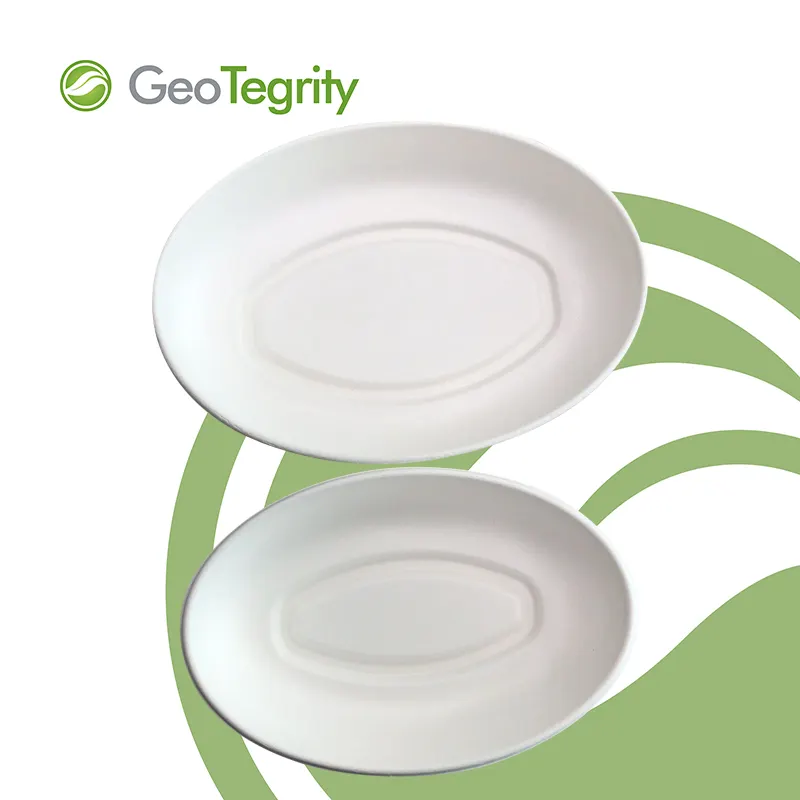
Not all takeaway boxes provide the same daily utility. Shape and physical capacity play crucial roles in food presentation. The oval design offers highly unique advantages over traditional round or square options. An oval shape fits perfectly into standard rectangular delivery bags. It prevents awkward tilting during bumpy transit. It also gives the executive chef a noticeably wider canvas for artistic plating.
Capacity stands out as another critical success factor. A 26-ounce volume strikes the perfect balance for standard adult entrees. It holds generous meal portions without looking pathetically half-empty. Whether you serve hearty garden salads or rich penne pasta, the interior space feels just right. We highly recommend testing the 26oz Bagasse Oval Bowl for your primary main courses. It features reinforced structural edges and a pleasantly smooth interior finish.
Let us look closely at the essential structural design. The container rim must accommodate a tight-fitting, secure lid. Sugarcane bowls utilize high-precision molding techniques to ensure exact lid attachment. This prevents disastrous liquid spills in the delivery driver's back seat. Furthermore, the base often features subtly engineered ridges. These ridges add extra rigidity to the container bottom. You can stack several heavy meal bowls on top of each other. They will absolutely not crush or deform under the stacked pressure.
Ergonomic handling: Oval shapes naturally fit human hands better during eating.
Optimal stacking: Tapered bases allow empty bowls to nest deeply, saving precious shelf space.
Spill prevention: Wide bases lower the center of gravity, preventing accidental tipping.
Visual appeal heavily drives modern digital food marketing. People eat with their eyes long before they take a bite. When a hungry customer opens a sealed delivery bag, the presentation must instantly impress them. Poke bowls serve as a universally perfect example of this concept. They require the careful, deliberate arrangement of vibrantly colorful ingredients. You want the bright pink tuna, bright green edamame, and golden mango to visually pop. A wide, shallow oval bowl displays these striking colors beautifully.
Plant-based packaging provides a gorgeous neutral backdrop for vibrant foods. The earthy tone contrasts perfectly with fresh greens and rich, dark sauces. This clean aesthetic translates incredibly well to mobile photography. Diners love sharing aesthetically pleasing meals on platforms like Instagram and TikTok. A beautiful container actively encourages free social media marketing.
Beyond trendy poke, these durable bowls excel across many different cuisines. Burrito bowls stay neatly contained and remain easy to mix. Thick Indian curries do not soak through the dense fibrous material. Hearty Mediterranean grain bowls retain their appetizing temperature for an hour. We see immense commercial success across wildly diverse restaurant concepts.
Ideal Menu Pairings for Oval Packaging
| Cuisine Type | Common Dish Examples | Primary Packaging Benefit |
|---|---|---|
| Hawaiian / Seafood | Tuna Poke, Salmon Bowls | Wide surface area highlights fresh ingredient colors. |
| Mexican / Tex-Mex | Burrito Bowls, Nacho Salads | Deep basin allows aggressive mixing without spilling over. |
| Italian / Pasta | Penne Alfredo, Spaghetti | Retains high heat while preventing sauce absorption. |
| Asian / Stir-Fry | Teriyaki Chicken, Pad Thai | Resists heavy grease and sticky sauces flawlessly. |
Upgrading your restaurant takeout supplies requires careful, strategic planning. You cannot simply swap everything overnight and expect perfect results. We highly suggest a structured, phased rollout to ensure complete operational success. Start by auditing your current inventory levels. Calculate exactly how many plastic containers your kitchen uses weekly. This gives you a clear baseline for ordering.
Next, you must request physical samples of the new materials. Test these samples vigorously in your own bustling kitchen. Pour boiling hot oil directly into them. Let highly acidic saucy dishes sit in them for two hours. Stack them high on a metal prep counter. You must verify they meet your specific, unique culinary needs.
Phase out old plastic stock gradually to minimize financial waste.
Train your kitchen staff extensively on proper lid securing techniques.
Update your storage protocols immediately. You must keep bagasse boxes dry before use.
Launch a digital marketing campaign proudly announcing your green transition.
Staff training remains a commonly overlooked, critical step. Kitchen teams move incredibly fast during Friday night peak hours. They desperately need to know how the new bowls handle. Sometimes, eco-friendly lids require a slightly firmer press to snap fully shut. Teach them these subtle nuances early. Finally, proactively tell your customers about the upgrade. Place a small, informative sticker on the delivery bags. Share a quick behind-the-scenes video online. People genuinely love supporting businesses actively protecting the environment. Utilizing a high-quality 26oz Bagasse Oval Bowl makes this sustainable transition both seamless and highly rewarding.
The global restaurant industry must continuously embrace sustainable operational practices. Shifting to plant-based takeout containers represents a massive step forward for any food brand. You immediately reduce harmful microplastic pollution in your local community. You also deliver a noticeably superior dining experience directly to your loyal customers. The benefits far outweigh the minor logistical effort of switching suppliers.
Evaluate your current packaging inventory for structural weaknesses and environmental flaws.
Implement sugarcane-based alternatives to drastically improve food insulation and visual aesthetics.
Educate your dining audience actively about your deep commitment to protecting the planet.
Test various capacities and shapes to find the absolute ideal fit for your specific menu.
Take decisive action today. Order material samples, run rigorous kitchen trials, and listen closely to your customers' feedback. The future of global food delivery is undeniably green, highly durable, and wonderfully efficient.
A: Yes. Sugarcane fiber handles microwave heating exceptionally well. It does not melt, warp, or release harmful chemicals into your food. This makes it absolutely perfect for customers reheating delicious leftovers the next day.
A: Absolutely. High-quality bagasse bowls feature highly dense fiber interlocking. They resist moisture and grease extremely effectively. However, we always recommend testing them physically with your specific hot broths to ensure optimal performance during extended delivery times.
A: In a managed commercial composting facility, bagasse fully breaks down in about 90 to 120 days. It requires specific sustained heat and moisture levels. Home composting may take slightly longer, but the material remains completely natural and biodegradable.
A: No. High-quality sugarcane containers remain completely taste-neutral and odorless. Unlike some cheap cardboard alternatives, bagasse will never impart a strange papery taste to your delicate sauces or fresh ingredients.
A: Yes. You must purchase appropriately matched lids specifically designed for the oval rim. Manufacturers typically offer clear recyclable PET lids for cold foods, or matching opaque bagasse lids for maximum heat retention.


