+86-136-0073-8328 nancy.huang@geotegrity.com
- All
- Product Name
- Product Keyword
- Product Model
- Product Summary
- Product Description
- Multi Field Search


Views: 0 Author: Site Editor Publish Time: 2026-08-31 Origin: Site


Foodservice procurement often centers on a painful friction point. Profit margins run famously thin across the hospitality sector. Moving away from traditional plastics looks like an immediate, painful hit to the bottom line. You might assume green packaging destroys profitability. Yet, the foodservice landscape shifts rapidly beneath our feet. Stricter single-use plastic bans emerge globally every year. Extended Producer Responsibility laws and soaring consumer demands for sustainability force operators to rethink old packaging habits.
At first glance, the upfront unit price of a compostable container remains historically higher than polystyrene or PET equivalents. However, a deeper look at the comprehensive financial balance sheet reveals a remarkably different reality. By factoring in compliance, operational durability, and brand loyalty, operators discover genuine long-term savings. The true cost goes far beyond the initial purchase invoice. When evaluated holistically, sustainable tableware frequently protects margins better than cheap plastic.
Unit Price vs. TCO: Plastic wins on pure unit cost, but bagasse offsets this through avoided plastic taxes, lower disposal fees, and higher customer perceived value.
Performance is Financial: High-quality bagasse prevents the "double-boxing" or "double-plating" habit that artificially inflates packaging costs.
Scalability: Advancements in bagasse manufacturing have stabilized wholesale pricing, making bulk adoption feasible for mid-market and enterprise buyers.
Compliance Mitigates Risk: Early transition protects operations from sudden regulatory fines and forced, rushed supplier switches.
We must transparently acknowledge a simple industry reality. A standard plastic container is often pennies cheaper per unit than a comparable Bagasse Bowl. If you evaluate packaging solely by looking at a supplier invoice, plastic always appears to win. Many procurement managers stop their analysis right there. They choose the lowest upfront number to protect quarterly budgets.
However, the cheapest item on the unit price tag rarely acts as the cheapest item on your actual profit and loss statement. The "balance sheet" concept requires a broader perspective. You must track every expense tied to that piece of packaging from purchase to disposal. When you buy cheap plastic, you buy hidden liabilities. These liabilities silently erode your profit margins over time.
Let us examine the rising cost drivers for plastic packaging. Petroleum-based products suffer from volatile raw material pricing. Global oil markets dictate resin costs. Furthermore, governments worldwide now aggressively target plastic with regulatory tariffs. Single-use plastic taxes create a severe financial burden. These penalties directly inflate the backend cost of every plastic container you deploy.
Conversely, sugarcane fiber operates on an entirely different economic curve. Agricultural byproduct utilization forms the foundation of this industry. Manufacturers rescue sugarcane pulp after juice extraction. This creates a stable, renewable raw material supply. As global demand increases, economies of scale drive the production cost curve down. Advanced automation further reduces labor expenses. You secure a more predictable, stable pricing structure over a multi-year contract.
Consider these primary factors shifting the financial balance:
Raw Material Stability: Sugarcane harvests occur annually, creating consistent supply compared to volatile fossil fuels.
Tax Avoidance: Eco-friendly materials frequently qualify for tax exemptions in heavily regulated municipalities.
Consumer Perception: Diners naturally associate fiber-based packaging with premium food quality, allowing slight menu price adjustments.
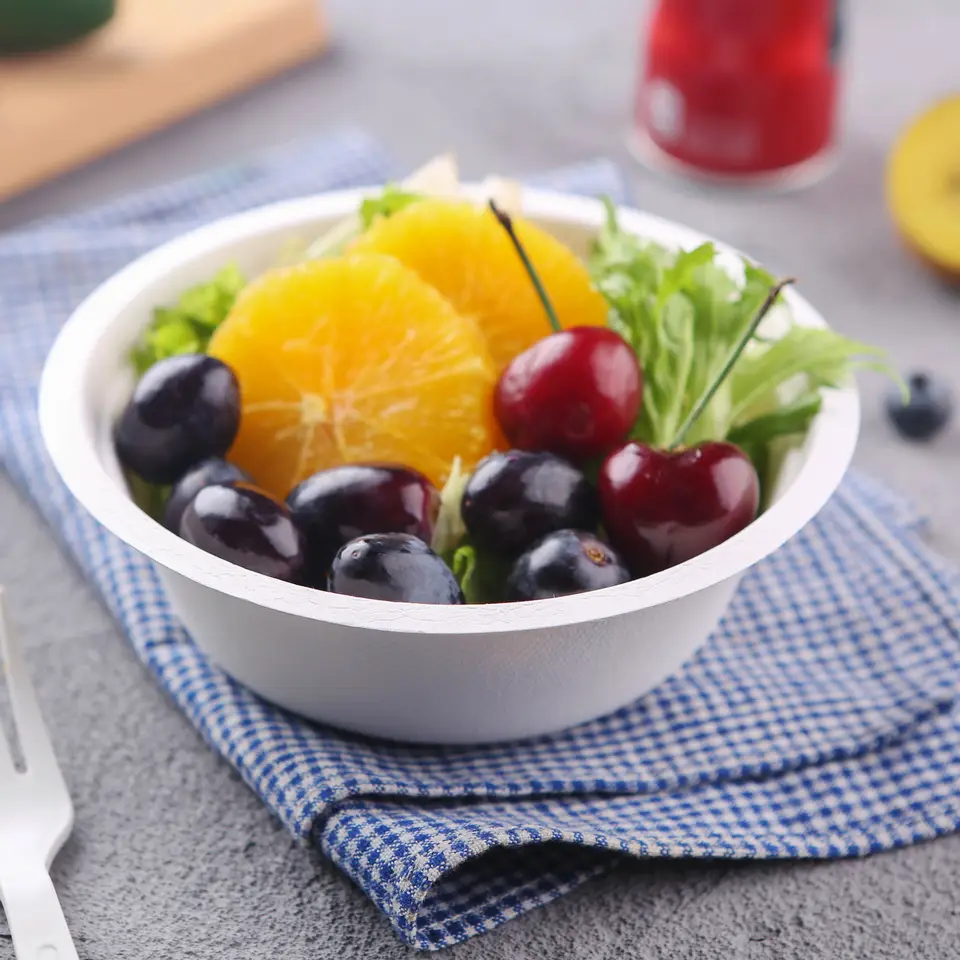
We must frame packaging durability as a strict financial metric. A failed container represents far more than a minor inconvenience. It equals refunded meals. It generates negative online reviews. It wastes expensive food ingredients. If hot soup leaks through a cracked plastic lid, you lose both the current sale and future customer revenue. Operational failures quickly wipe out any pennies saved on cheap unit costs.
Heat and grease resistance play vital roles in this financial equation. Polystyrene (EPS foam) melts when exposed to boiling temperatures or heavy fryer grease. Thin PET plastic warps instantly under heat lamps. By contrast, a standard Bagasse Box easily withstands microwave temperatures up to 200°F and beyond. The natural fiber matrix traps grease and prevents messy leaks. Your food arrives looking exactly as the chef intended.
Then we must address the notorious "double-plating" tax. Visit almost any fast-casual restaurant using cheap supplies. You will watch staff instinctively grab two paper or plastic plates to serve a heavy meal. They know one flimsy plate will collapse. This habit immediately doubles your packaging cost. The structural integrity of a single, rigid Bagasse Plate completely eliminates this hidden 2x multiplier. One strong plate performs better than two weak ones.
| Material Type | Heat Tolerance | Grease Resistance | Structural Rigidity |
|---|---|---|---|
| Expanded Polystyrene (EPS) | Low (Melts easily) | Moderate | Prone to snapping |
| Thin PET Plastic | Low (Warps instantly) | High | Flexible / Flimsy |
| Sugarcane Fiber | High (Microwave safe, 200°F+) | High (Natural matrix traps oils) | Excellent (Prevents double-plating) |
The regulatory environment no longer favors petroleum products. Extended Producer Responsibility (EPR) programs now shift waste management costs onto the businesses generating the trash. If you serve food in plastic, regulators increasingly force you to pay for its eventual disposal. Single-use plastic taxes are sweeping across major global markets. These incoming fees will eventually invert the historic unit-cost advantage of plastic. The penalty for using cheap materials will exceed the premium paid for sustainable ones.
Waste management return on investment (ROI) offers another compelling financial angle. Commercial composting partnerships transform food waste and packaging into soil. When you utilize compostable containers, customers can toss both the leftover food and the bowl into the same bin. This reduces your general landfill hauling weights. Since waste management companies charge by dumpster weight, lighter trash means lower monthly disposal fees. You streamline back-of-house sorting and save money.
Brand equity economics provide the final financial counterbalance. Modern consumers actively reward environmentally responsible businesses. Industry data repeatedly shows high consumer willingness to absorb minor menu price increases. Diners gladly accept a 1-3% price bump when the packaging is demonstrably eco-friendly. This slight elasticity effectively neutralizes the packaging premium. You pass the marginal cost difference to the consumer seamlessly. They feel good about their purchase, and your margins remain safely intact.
Transitioning early also protects your operations from forced, rushed supplier switches. When a city suddenly bans foam or black plastic, unprepared restaurants panic. They accept terrible contract terms just to stay compliant. Proactive buyers secure favorable rates and smooth transitions long before the regulatory hammer drops.
Enterprise buyers often worry about supply chain stability when switching materials. They fear compostable products might suffer from inconsistent quality. Fortunately, modern Bagasse Manufacturing operates at an incredibly sophisticated industrial scale. Automated pulping, high-pressure thermoforming, and robotic trimming ensure extreme consistency. These facilities output millions of units daily. You receive uniform lid fits, precise nesting geometries, and reliable structural density across every single pallet.
Beyond basic reliability, you should leverage packaging as an active marketing channel. Generic plastic tells your customer nothing about your brand. It represents a sunk cost. Exploring the ROI of Custom Bagasse Tableware completely changes this dynamic. Moving from plain plastic to embossed or custom-banded sustainable bowls transforms trash into a branded touchpoint. When an office worker leaves your embossed lunch box on their desk, it functions as a billboard. This premium presentation directly drives repeat delivery orders.
Wholesale optimization requires a strategic approach to bridge the remaining price gap. You must negotiate bulk contracts intelligently. Work directly with primary manufacturers rather than third-party local distributors when volume permits. Consolidating your SKU count also helps. If you currently use six different sizes of plastic tubs, try to engineer your menu to fit into three sizes of sustainable containers. Larger production runs on fewer SKUs yield better pricing.
Proper pallet storage management also factors into sourcing strategy. You must forecast usage accurately to avoid expedited shipping fees. Sea freight remains the most economical import method for bulky tableware. By holding safety stock efficiently, you insulate your business from sudden supply chain shocks while maintaining a low blended cost per unit.
Transitioning away from plastic requires a methodical framework. Rushing a menu-wide switch creates operational chaos. You must approach this transition with clear metrics and controlled testing environments.
Begin by auditing your current total spend. Define a strict shortlisting logic. Do not just calculate the invoice price of plastic. Calculate your current plastic spend, add incoming waste and tax fees, and add the estimated cost of double-boxing waste. This combined figure represents your true current baseline. You must compare supplier quotes against this comprehensive baseline, not just the raw unit cost.
Next, implement a rigorous pilot testing protocol. Never switch your entire inventory overnight. Advise your operations team to run a 30-day pilot focusing on one specific, high-volume item. For example, swap your standard plastic soup container for a high-density Bagasse Bowl. During these 30 days, aggressively monitor three variables: heat retention during transit, secure lid fit under pressure, and direct customer feedback. This isolated test proves the financial viability without risking your entire operation.
Address implementation risks proactively during the pilot phase. Natural fiber products behave differently than plastic.
Warehouse Storage Conditions: Pulp products naturally absorb moisture. You must enforce humidity control in your storage areas. Keep cases off the floor and away from dishwashing stations to prevent warping or mold.
Staff Training: Teach kitchen staff proper handling. Snapping a compostable lid onto a bowl requires a slightly different tactile approach than forcing a plastic lid. Ensure they listen for the secure seal.
Menu Adaptation: Test your most aggressive ingredients. Highly acidic or extremely oily sauces might require specialized PFAS-free coated variations. Discover these limitations before a full rollout.
The assumption that sustainable tableware destroys profit margins relies on incomplete math. While natural fiber packaging requires a slightly higher upfront investment, it actively functions as a hedge against regulatory risk and a powerful driver of brand loyalty. It eliminates the hidden operational costs of melting plastics, double-plating habits, and incoming municipal waste taxes. Ultimately, a comprehensive financial evaluation proves the viability of this transition.
Your actionable next step involves testing these claims directly. Encourage your procurement team to request physical samples immediately. Conduct a rigorous thermal stress test in your own commercial kitchens. Finally, request a customized lifecycle cost breakdown from your suppliers. When you map the entire journey from purchase to disposal, the financial argument for sustainable alternatives becomes undeniable.
A: It can cost slightly more depending on nesting density. Natural fiber products are marginally thicker than thin PET plastic. This means fewer units fit into a standard shipping carton. You may need slightly more pallet space in your warehouse. However, modern manufacturing techniques have greatly improved nesting profiles to minimize this freight impact.
A: Standard uncoated bowls hold hot liquids reliably for 2 to 4 hours before becoming overly soft. They will not leak immediately, but they do absorb moisture over time. For heavy soups or long-duration catering, you should request high-density or PFAS-free coated variations, which significantly extend liquid hold times.
A: The initial tooling cost for custom embossing molds requires a modest upfront investment. However, this is a one-time fee. Once the mold is created, the per-unit cost remains highly competitive. If you order in high volumes, the long-term discounts effectively absorb the initial tooling expense, making it a highly cost-effective marketing tool.
A: Unused containers easily last 12 to 24 months if stored correctly. The primary inventory risk is humidity. Because it is a dried pulp product, it will absorb ambient moisture. You must store cartons in a dry, climate-controlled environment, elevated on pallets, and away from direct moisture sources like prep sinks.


