+86-136-0073-8328 nancy.huang@geotegrity.com
- All
- Product Name
- Product Keyword
- Product Model
- Product Summary
- Product Description
- Multi Field Search


Views: 0 Author: Site Editor Publish Time: 2026-08-27 Origin: Site


Food service operators face immense pressure to replace traditional plastics. Regulatory changes and consumer demands are driving this shift. Adopting sustainable packaging carries undeniable operational risks. You might worry about leaks, structural failure, and compromised customer experiences. These concerns are completely valid in a fast-paced kitchen environment.
Plant-based materials behave quite differently than petroleum-based plastics. Sugarcane fiber is naturally highly resilient and versatile. However, understanding its exact performance thresholds remains critical for commercial adoption. Can these eco-friendly containers actually hold up to heavy, wet meals? Operators need to know how these materials respond to intense heat and prolonged moisture.
This guide breaks down the technical capabilities of sugarcane tableware. We examine manufacturing limits, structural boundaries, and quality evaluation criteria. You need hard data to make evidence-based procurement decisions. We will explore how these products handle heat, oil, and moisture in real-world scenarios. You will learn the science behind fluid resistance and how to test samples effectively. By the end, you can confidently integrate sustainable packaging into your delivery operations.
Bagasse tableware is water and oil-resistant, not permanently waterproof; it relies on high-density molding and eco-friendly sizing agents to delay saturation.
High-quality bagasse can safely contain boiling water (up to 100°C/212°F) and hot oil (up to 120°C/248°F) for typical takeout delivery windows without catastrophic failure.
The transition to PFAS-free manufacturing has shifted how bagasse resists grease, requiring buyers to strictly evaluate grammage and thickness during sourcing.
Successfully rolling out bagasse products requires menu-compatibility testing and proper humidity-controlled inventory storage.
Raw sugarcane fiber is naturally highly absorbent. It acts much like a dense sponge. Unprocessed fibers would instantly soak up any liquid they touch. If you placed wet food on raw pulp, it would disintegrate immediately. To solve this inherent weakness, manufacturers use a highly precise engineering process.
The solution begins during the initial pulping phase. Manufacturers blend food-grade, plant-based sizing agents into the wet pulp. Alkyl Ketene Dimer (AKD) serves as a common eco-friendly sizing agent. This additive physically alters the surface energy of the individual fibers. The sizing agent creates a microscopic hydrophobic barrier. It binds to the cellulose molecules during the wet-molding stage.
Next comes the high-pressure thermoforming process. Heavy industrial molds shape the wet pulp. Extreme heat and intense physical pressure compress the material. This physical compression cross-links the natural fibers tightly together. It creates a dense surface tension across the entire product. This barrier physically blocks rapid liquid penetration. When you pour hot soup into a Bagasse Bowl, this engineered surface tension aggressively repels the moisture.
The packaging industry is currently evolving at a rapid pace. We are actively shifting away from fluorinated chemicals (PFAS). Historically, PFAS provided an easy, cheap grease barrier for paper products. Modern manufacturing regulations restrict those legacy chemicals. Current waterproof and oil-proof claims rely entirely on advanced mechanical molding. Natural plant-based coatings now provide the necessary grease resistance without compromising human health.
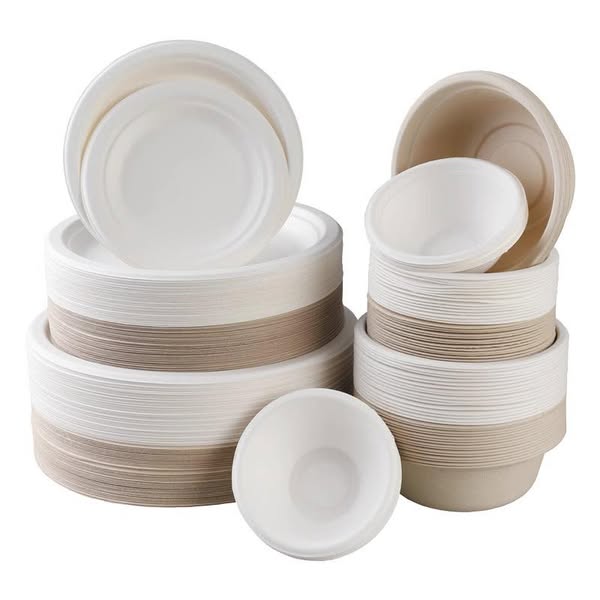
Let us examine the verifiable baseline metrics for these materials. High-quality sugarcane containers handle 100°C (212°F) liquids easily. They also resist 120°C (248°F) cooking oils. They can maintain this impressive resistance for two to four hours without leaking. This specific window perfectly covers standard takeout and long-distance delivery timelines.
Skeptics often confuse slight sogginess with catastrophic structural failure. A heavy, wet meal might cause the bottom to sweat. It might soften slightly over extended transit periods. This happens because the material breathes naturally. However, a quality product maintains its core structural integrity. It will not break apart or collapse in your customer's hands. The sizing agents prevent total saturation.
These containers perform exceptionally well across different temperature extremes. You can safely place them in commercial microwaves. They do not leach toxic chemicals into food during rapid heating. Freezer storage presents a slightly different operational reality. Condensation often forms rapidly during the thawing process. This surface moisture can induce premature softening if not managed properly.
Certain engineering traits define premium packaging solutions. You must know what makes a Leak-Proof Bagasse Bowl reliable. Look closely at the design elements. A wide flange design improves lid seating significantly. High rim rigidity prevents bending when servers apply downward pressure. A tight snap-fit lid mechanism prevents seam leaks during bumpy vehicle transit. These physical traits matter just as much as the chemical composition.
Beverages present a significantly harsher test than solid food. Holding hot coffee or cold soda for twelve hours pushes natural fibers to their absolute limit. Liquid pressure remains constant against the vertical walls. Unlike food, beverages constantly seek the path of least resistance through the fiber matrix.
We must compare natural options against traditional paper solutions. A pure Bagasse Cup relies solely on its pulp density. It uses eco-friendly internal sizing to block moisture from escaping. Traditional paper cups rely heavily on plastic liners. Polyethylene (PE) or Polylactic Acid (PLA) films coat their interior walls. The purely natural option offers vastly superior end-of-life composting benefits. However, it naturally features a shorter optimal usage window compared to plastic-lined alternatives.
Lid integrity introduces another complex mechanical challenge. The Bagasse Cup Lid requires exceptional manufacturing precision. High-precision molds must create a perfectly secure snap-fit seal. This tight fit prevents dangerous rim leaks when customers tilt the cup. Steam from hot drinks often softens the upper rim slightly. The lid must accommodate this slight material expansion while maintaining its aggressive grip.
Engineers design these lids with specific venting mechanisms. Tiny vent holes allow steam to escape safely. This prevents pressure buildup from pushing the lid off the rim. Matching the exact expansion rate of the lid and the cup is crucial. This ensures a seamless drinking experience for the end consumer.
Buyers need clear, objective metrics to source reliable supplies. Subjective claims of "high quality" are insufficient for commercial procurement. Weight and grammage directly correlate to sustained liquid resistance. Heavier pulp weight means more physical material density. Thicker walls delay moisture saturation significantly. You should always review supplier specification sheets for exact grammage numbers.
Surface finish provides an immediate visual quality indicator. Run your thumb firmly across the interior surface. A perfectly smooth, hard finish indicates superior molding pressure. Better pressure means fewer microscopic gaps between the cellulose fibers. This directly improves fluid resistance and prevents rapid oil penetration.
Procurement teams must request authoritative third-party certifications. Look specifically for FDA compliance ensuring safe direct food contact. Demand BPI or EN13432 certificates verifying commercial compostability standards. Always verify independent testing reports proving the products are entirely PFAS-free. Do not accept outdated reports.
You can perform a highly revealing "Water Drop" field test yourself. Pour actively boiling water into one sample unit. Pour hot cooking oil into a second identical sample. Start a stopwatch immediately. Measure exactly how long it takes for exterior moisture to appear. This practical stress test quickly separates premium engineered products from cheap, low-density alternatives.
| Evaluation Metric | What to Look For | Why It Matters |
|---|---|---|
| Grammage / Thickness | Higher weight per unit | Increases time before liquid saturation occurs. |
| Surface Finish | Smooth, hard, non-porous interior | Indicates high molding pressure and fiber density. |
| Compliance Certifications | BPI, EN13432, FDA, PFAS-Free | Ensures food safety and strict environmental compliance. |
| Boiling Liquid Test | 2+ hours before exterior sweating | Validates real-world performance claims instantly. |
Successfully launching new packaging requires methodical preparation. Menu compatibility testing is absolutely non-negotiable. You should shortlist several promising products first. Test them rigorously against your most demanding menu items. High-acid tomato sauces heavily challenge natural fibers. Heavy curries and greasy fried foods aggressively test oil resistance. Conduct these stress tests thoroughly before committing to bulk purchases.
Inventory storage protocols require careful management. Sugarcane packaging consists entirely of natural organic fibers. Storing bulk cases in damp, unventilated environments poses major operational risks. High-humidity storage can pre-soften the material. This degrades structural integrity long before the container ever holds a meal. Keep your warehouse areas completely dry and climate-controlled. Keep boxes sealed until immediately needed.
Managing customer expectations helps smooth the transition away from plastic. You can implement minor operational tweaks to ensure success. Consider adopting the following best practices for your kitchen line:
Place highly acidic or heavy sauces in separate small ramekins.
Use natural grease-resistant liners for heavily fried or battered items.
Pack hot foods just before dispatch, avoiding long holding times under heat lamps.
Educate expo staff on proper lid securing techniques to prevent transit spills.
These simple proactive steps maximize packaging performance. They reduce the risk of failure during complex long-distance deliveries. A well-trained staff ensures the sustainable transition goes unnoticed by the end consumer.
Sugarcane tableware is highly effective for modern food service operations. It remains commercially viable for standard delivery timelines. You simply need to understand its natural physical limits. Plant-based solutions are robustly resistant, not permanently waterproof. Recognizing this distinction allows you to optimize your menu offerings accordingly.
When shortlisting suppliers, prioritize core structural integrity. Focus heavily on material thickness, surface density, and precise lid fits. Insist on strict PFAS-free testing certifications. Avoid choosing products based solely on the cheapest unit cost. Cheap, thin options often fail spectacularly during delivery, destroying customer trust.
Take action today to upgrade your packaging strategy safely. Request a diverse sample pack from your shortlisted manufacturers. Ask for their comprehensive technical data sheets. Conduct internal stress tests using your specific menu items in your actual kitchen. Evidence-based testing ensures you deliver a superior, sustainable customer experience every single time.
A: While it will likely not burst, the bowl will absorb moisture and become notably soft after 12–24 hours. They are engineered for standard consumption windows, not long-term liquid storage.
A: No. High-quality bagasse relies on internal sizing agents and high-density molding to resist water, making them 100% plastic-free and commercially compostable.
A: Hot oil has a lower surface tension than water and can penetrate natural fibers faster. However, premium bagasse is rated to withstand oil up to 120°C (248°F) for typical takeout durations without structural failure.


