+86-136-0073-8328 nancy.huang@geotegrity.com
- All
- Product Name
- Product Keyword
- Product Model
- Product Summary
- Product Description
- Multi Field Search


Views: 0 Author: Site Editor Publish Time: 2026-07-04 Origin: Site


Event planners and catering businesses face a persistent challenge today. You must balance premium food presentation alongside genuine environmental responsibility. Standard disposable tableware often falls short of these dual expectations. Styrofoam introduces toxic environmental waste into our local ecosystems. Standard paper plates lack the structural integrity needed for heavy meals. Even traditional round eco-plates frequently project a low-budget, cafeteria-style aesthetic.
A high-quality Bagasse Square Plate solves these intersecting demands seamlessly. It satisfies the strict zero-waste mandates of modern venues. It also meets the demanding aesthetic requirements of upscale events like corporate lunches and weddings. You no longer have to compromise between elegance and sustainability.
This guide evaluates the performance, compliance, and practical procurement realities of switching to square sugarcane-based tableware. We examine the exact metrics caterers need to make informed purchasing decisions. You will learn how to verify compostable claims, manage inventory risks, and justify the investment to your clients.
Aesthetic Advantage: The square geometric design provides a modern, premium plating canvas that justifies higher catering price points compared to standard round disposables.
Performance Thresholds: Bagasse delivers superior grease and cut resistance, reliably supporting heavy or sauce-laden catering menus without structural failure.
Compliance Reality: True "100% compostable" claims must be backed by BPI or EN 13432 certifications, requiring commercial composting facilities for optimal breakdown.
Procurement Strategy: Successful adoption requires evaluating cost-per-unit against brand equity gains, alongside proper inventory storage to prevent moisture degradation.
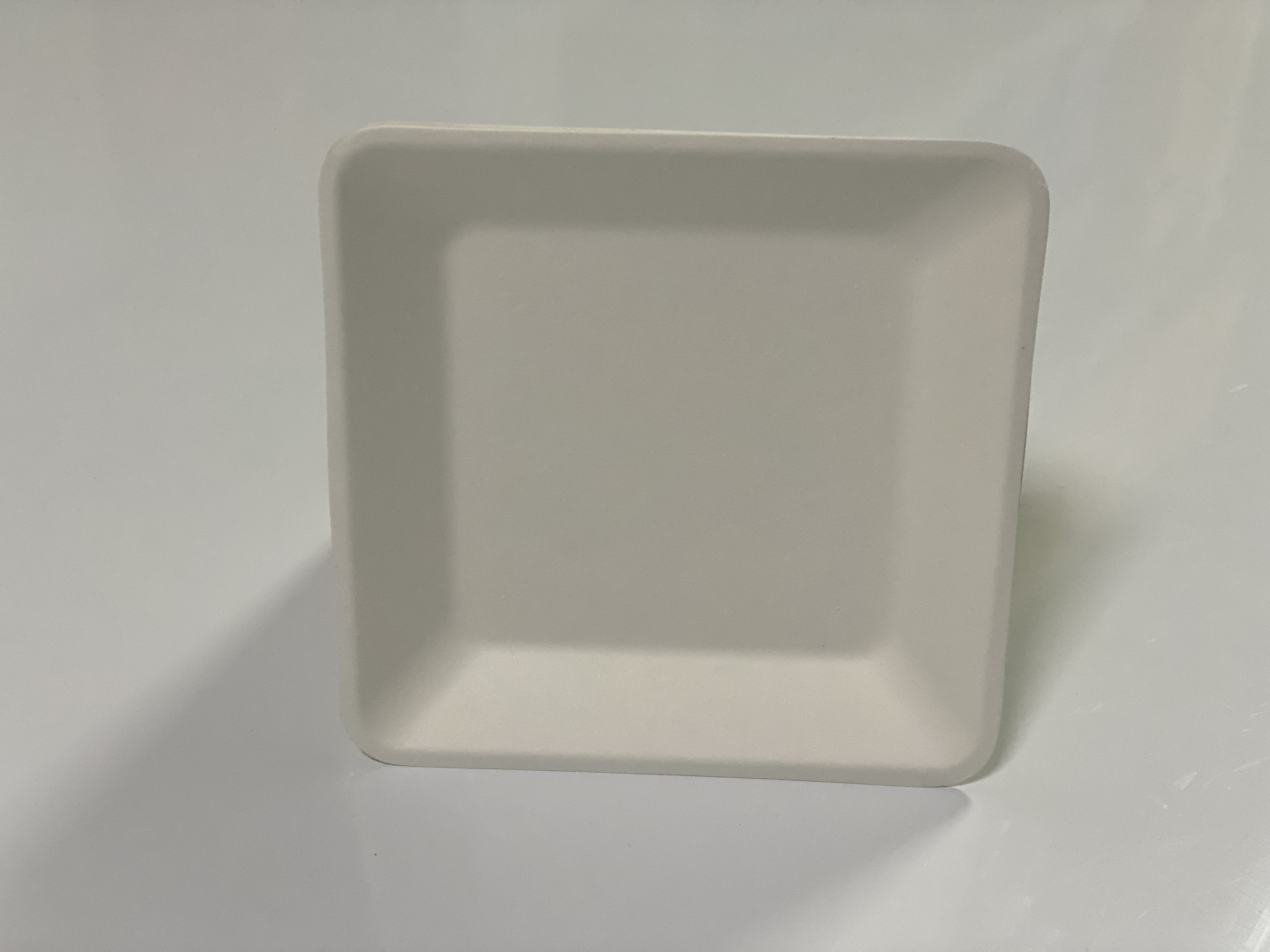
Upscale catering clients increasingly demand eco-friendly operations. However, utilizing standard beige or round compostables can visually downgrade a high-end menu. You cannot serve a premium culinary dish on a flimsy, uninspired dish. Diners eat first through their eyes. The visual presentation directly impacts their perception of the entire event.
The sharp lines of a Bagasse Square Plate mimic modern ceramic restaurantware. This geometric design creates an elegant serving differentiator. Chefs prefer square canvases. It naturally frames the food and creates attractive negative space. Furthermore, square edges optimize valuable space on catering trays. Servers can carry more items safely. You immediately enhance the perceived value of the meal.
This transition also dramatically improves client acquisition and brand positioning. You can leverage premium eco-tableware as a marketable asset in your proposals. Many corporate clients maintain strict Environmental, Social, and Governance (ESG) commitments. They actively look for vendors who align with these sustainability goals. Highlighting your use of elevated, zero-waste dinnerware helps win lucrative corporate bids.
We measure a successful transition by two specific criteria. First, you should experience zero increase in plate-failure complaints. Second, you must achieve a measurable boost in client satisfaction regarding sustainability. When guests notice both the quality of the plate and its eco-friendly nature, your brand reputation grows.
Focusing only on the environmental aspect while ignoring the premium aesthetic appeal.
Failing to provide a physical sample plate during the initial catering tasting.
Using vague terms like "green" instead of explicitly stating "100% commercially compostable."
Caterers need highly reliable materials. We must rigorously evaluate how bagasse performs under real-world catering conditions. High-quality sugarcane tableware excels at holding dressed salads, heavy pasta, or hot gravies for over two hours. The dense fibers resist moisture effectively. You avoid the dreaded soggy bottom associated with standard paper products.
We also assess safe operating temperatures for hot food service. Sugarcane fiber handles high heat exceptionally well. It safely tolerates commercial microwave reheating limits. Catering staff can quickly warm individual portions without melting the container. The material remains stable and releases no harmful chemicals during heating.
Consider cut resistance and structural integrity. Molded sugarcane fibers offer significantly higher density than traditional paper plates. They survive heavy-duty use beautifully. Guests can confidently cut steaks or bone-in meats. They will not slice through the dish and ruin the tablecloth underneath.
We must also transparently acknowledge material limitations. These products remain highly durable for typical event durations. However, prolonged liquid exposure naturally begins the breakdown process. If you leave hot soup in a sugarcane bowl for twelve hours, the fibers will soften. Setting clear operational expectations ensures flawless event execution.
| Material Type | Cut Resistance | Grease Resistance | Aesthetic Appeal | Microwave Safe |
|---|---|---|---|---|
| Bagasse (Sugarcane) | High | High (2-4 hours) | Premium (Square) | Yes |
| Uncoated Paper | Low | Low (Under 30 mins) | Budget | Yes |
| Styrofoam | Medium | High | Low | No |
| Premium Plastic | High | High | Moderate | Varies |
Buyers must look past clever marketing buzzwords today. You must demand verifiable compliance documentation. Many brands claim their products are "biodegradable." This term means very little without a specific timeframe. Deconstructing true "eco-friendly" claims protects your business reputation and prevents greenwashing.
We recommend shortlisting suppliers based solely on recognized industry standards. These certifications require rigorous laboratory testing. Look for these specific compliance markers:
ASTM D6868: The primary standard for compostable packaging used in the United States.
EN 13432: The equivalent strict standard utilized across European markets.
BPI Certification: A highly trusted third-party verification for commercial compostability.
We must clarify disposal realities for event planners. Bagasse consists entirely of organic sugarcane matter. However, rapid decomposition within 30 to 90 days relies on specific environmental conditions. You need the high heat, moisture, and aeration of commercial composting facilities. Backyard home composting bins rarely reach these required temperatures.
Smart event planners partner directly with local waste management. You should coordinate with composting haulers early in the planning stage. Set up dedicated, clearly marked disposal bins at the venue. This strategy ensures the plates actually avoid landfills and complete their lifecycle properly.
Use visually distinct bins for compost, recycling, and landfill waste.
Place signage featuring actual photos of the sugarcane plates above the compost bins.
Brief the bussing staff thoroughly on sorting protocols before the event begins.
Business-to-business procurement carries specific operational risks. You must identify signs of sub-par manufacturing before placing massive bulk orders. Request physical samples from multiple factories. Watch out for inconsistent thickness across the batch. Lingering odors or rough, poorly pressed edges also indicate weak quality control.
Proper storage and shelf-life implementation matter immensely. Bagasse material is inherently hygroscopic. It naturally absorbs ambient moisture from the air. You must outline the necessity of climate-controlled, dry storage to your warehouse team. Damp environments cause premature warping. They can even promote mold growth on organic packaging.
We recommend careful inventory turnover cycles. You should rotate organic packaging stock every six to twelve months. Treat eco-friendly plates more like non-perishable food inventory than permanent plastic hardware. First-in, first-out (FIFO) inventory management works best here.
Finally, balance Minimum Order Quantities (MOQs) carefully. Event seasonality fluctuates dramatically throughout the year. You want to avoid over-ordering during slow winter seasons. Excessive inventory ties up valuable operating capital. It also increases the risk of storage degradation over time. Work closely with suppliers who offer flexible shipping schedules.
Evaluating unit cost reveals the true value of premium tableware. A square bagasse plate carries a slight premium over standard round bagasse, thin paper, or plastic alternatives. However, this initial cost difference often pays for itself rapidly through other operational efficiencies.
You must factor in potential savings on waste disposal fees. Diverting heavy food waste and compostable plates from landfills often reduces overall sanitation costs. Commercial compost tipping fees sometimes cost less than standard landfill fees in major metropolitan areas.
Furthermore, bagasse provides exceptional structural strength. You eliminate the wasteful practice of double-plating. Caterers frequently stack two paper plates together to prevent collapse. A single sugarcane plate handles the same weight effortlessly. This dramatically reduces your actual per-guest usage rate.
Follow this specific shortlisting logic to secure the best vendor. Take these precise next steps:
Audit your menu: Identify your most demanding, heaviest, or wettest menu items to determine structural needs.
Request samples: Order test kits from verified B2B suppliers.
Conduct a "sog and sag" test: Plate your actual food. Let it sit for four hours. Evaluate the structural integrity.
Verify certificates: Demand current BPI or ASTM certificates before providing final vendor approval.
Adopting square bagasse plates is not merely a simple packaging swap. It represents a deliberate, strategic upgrade to your catering presentation and your environmental compliance. You elevate the upscale dining experience. Simultaneously, you actively reduce harmful landfill waste. This balance secures higher-paying clients and strengthens your brand reputation.
We reinforce the ongoing need for extreme due diligence. Always scrutinize supplier selection carefully. Check their commercial certifications and conduct rigorous physical sample testing. Do not compromise on structural quality for a marginal unit discount. Your event's success relies on dependable materials.
Direct your procurement managers and catering directors to take action today. Request a physical sample kit from a reputable supplier. Download a bulk-pricing catalog to begin your operational evaluation. Elevating your eco-friendly catering starts with holding the right plate in your hands.
A: Yes, bagasse plates are highly microwave-safe. You can typically microwave them for two to three minutes without any melting or chemical leaching. However, you must avoid using them in conventional ovens. High baking temperatures will scorch or ignite the organic sugarcane fibers.
A: Bagasse provides highly reliable grease and moisture resistance for standard event durations. It comfortably holds dressed salads, hot gravies, or greasy meats for two to four hours without leaking. This performance vastly outpaces standard uncoated paper plates, which often fail within thirty minutes.
A: No. You should never place food-contaminated service items into standard paper recycling streams. Food residue ruins the recycling process. Bagasse plates belong in commercial composting bins. A commercial facility provides the necessary heat to break them down into nutrient-rich soil.
A: High-quality, properly manufactured bagasse is completely neutral. It will not transfer any cardboard flavor or strange odors to your culinary dishes. This material purity makes it superior to many low-grade recycled paper products, which can occasionally taint the flavor of delicate foods.


