+86-136-0073-8328 nancy.huang@geotegrity.com
- All
- Product Name
- Product Keyword
- Product Model
- Product Summary
- Product Description
- Multi Field Search


Views: 0 Author: Site Editor Publish Time: 2025-11-11 Origin: Site


In a world where sustainability and convenience must coexist, the humble coffee cup has become a symbol of both our environmental challenges and our potential for change. Every day, millions of people start their mornings with a hot beverage in hand—often served in disposable cups that end up in landfills or oceans. But with growing awareness of plastic pollution and the urgency to reduce carbon footprints, the shift toward compostable coffee cups has gained incredible momentum. Among the many eco-friendly options available today, the 8 oz sugarcane cup stands out as a perfect balance between functionality, sustainability, and style.
This article explores why compostable coffee cups, particularly those made from sugarcane bagasse, are redefining the takeaway beverage industry—and why the 8 oz size is quickly becoming the gold standard for your daily brew.
Conventional disposable coffee cups, despite their paper exterior, often contain a thin layer of polyethylene plastic to prevent leakage. This coating makes them difficult to recycle and almost impossible to compost. As a result, billions of cups are discarded each year, contributing significantly to landfill buildup and marine pollution.
Even when consumers try to recycle them, most recycling facilities cannot process these mixed-material items, leading to contamination in recycling streams. Moreover, the production of paper cups requires massive energy and water consumption, as well as the cutting of trees for pulp.
Clearly, a sustainable alternative is needed—one that aligns with both environmental ethics and the growing global focus on circular economy principles.
Compostable coffee cups represent a significant shift in sustainable packaging, moving away from traditional paper-plastic hybrids that are difficult to recycle and often end up in landfills. Unlike conventional cups, compostable cups are designed to biodegrade naturally under the right composting conditions, breaking down into carbon dioxide, water, and organic matter. Importantly, this decomposition leaves no toxic residues, ensuring the end of the product lifecycle contributes positively to the environment rather than harming it.
The growing popularity of compostable cups is fueled by the increasing demand for eco-friendly alternatives across the food and beverage industry. Today’s most innovative compostable cups are made from renewable agricultural byproducts, including sugarcane bagasse, bamboo fiber, and corn starch-based PLA. These materials do not rely on deforestation or petroleum-based plastics, significantly reducing the carbon footprint associated with disposable cups. By utilizing what would otherwise be agricultural waste, manufacturers also promote resource efficiency and circular economy principles.
Among these options, sugarcane-based compostable cups have emerged as a preferred choice for many reasons:
100% biodegradable and home-compostable under proper conditions, making them accessible for both industrial and domestic disposal systems.
Non-toxic and BPA-free, ensuring safe use for hot and cold beverages without chemical contamination.
Resistant to heat, moisture, and oil, making them highly functional for a variety of drinks, from steaming espressos to iced lattes.
In addition to their environmental benefits, sugarcane cups meet the practical demands of modern cafés and consumers, offering durability and convenience while supporting sustainable business practices.
While compostable cups are available in a range of sizes, the 8 oz sugarcane cup has become particularly popular among coffee shop owners and consumers alike. This size is ideal for espresso, cappuccino, flat white, and standard morning coffee servings, providing a balance between adequate portioning and minimal waste.
Several factors contribute to the rise of this specific size and material combination as a sustainability and business favorite:
The 8 oz cup offers the right serving size for most hot beverages, preventing overuse of ingredients and reducing waste. For café operators, it enables consistent portioning, which simplifies inventory management, reduces operational costs, and minimizes environmental impact from overfilling or accidental spillage. Customers also benefit from a cup that matches their typical daily consumption, promoting satisfaction without excess.
Despite being lightweight, sugarcane fiber provides excellent structural integrity. Unlike flimsy paper cups, the 8 oz sugarcane cup maintains its shape even when filled with steaming liquids, eliminating the need for additional plastic reinforcement. Its robustness makes it reliable for takeaway service, enhancing user experience and reducing the risk of spills.
Sugarcane bagasse possesses natural thermal insulating properties, allowing cups to retain heat without burning fingers. This feature reduces the need for extra cardboard sleeves or double-cupping, which in turn lowers material use and waste generation. The result is a practical, eco-conscious solution that performs well for both hot and cold beverages.
Modern consumers increasingly value sustainability as part of their purchasing decisions. The off-white, smooth texture of sugarcane cups communicates environmental responsibility while maintaining a clean, attractive appearance. Many cafés integrate these cups into their brand identity, signaling commitment to sustainable practices and creating a positive impression for environmentally conscious customers.
With their blend of environmental responsibility, practicality, and visual appeal, 8 oz sugarcane cups have become a leading choice for cafés, restaurants, and individuals seeking eco-friendly alternatives to traditional disposable cups. They exemplify how sustainable materials can meet modern performance standards while helping reduce the environmental footprint of daily coffee consumption.
Sugarcane bagasse is the fibrous residue left after extracting juice from sugarcane stalks. Traditionally considered agricultural waste, it is now recognized as a valuable raw material for sustainable manufacturing.
Key Material Benefits:
Renewable Source: Sugarcane is one of the fastest-growing crops, harvested annually.
Low Carbon Footprint: Using byproducts reduces waste and carbon emissions associated with burning or landfilling bagasse.
Fully Compostable: When processed under proper conditions, bagasse decomposes within 60–90 days.
Non-toxic and Safe: No harmful additives or bleaches are required in the manufacturing process.
The transformation of bagasse into coffee cups involves pulping, molding, and heat pressing, creating a smooth, leak-proof surface that rivals traditional paper cups.
Feature | Sugarcane Cup | PLA Cup (Corn Starch) | Recycled Paper Cup |
Material Source | Agricultural byproduct | Bioplastic from corn | Post-consumer paper |
Compostability | Home & industrial composting | Industrial composting only | Limited, often coated |
Heat Resistance | Up to 100°C | Up to 60°C | Up to 80°C |
Carbon Footprint | Very low | Moderate | Moderate |
Durability | Excellent | Good | Moderate |
Cost Efficiency | High | Medium | Medium |
From this comparison, it’s clear that sugarcane cups outperform many other “green” alternatives in both environmental and practical aspects.
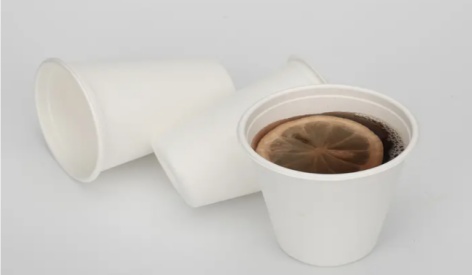
Adopting compostable coffee cups isn’t just about reducing plastic waste—it’s about shifting toward a circular economy. Each small choice contributes to a larger system of responsible production and consumption.
Since compostable cups can degrade naturally, they prevent the buildup of non-recyclable waste in landfills, helping cities and waste management systems function more efficiently.
Eco-friendly packaging like the 8 oz sugarcane cup sparks conversations about sustainability, prompting consumers to make more conscious choices in other areas of their lives.
Businesses adopting compostable packaging send strong signals to suppliers and manufacturers, driving innovation in sustainable materials and circular design.
The versatility of the sugarcane cup extends beyond coffee shops. It’s widely used in:
Corporate offices for eco-conscious events or meetings.
Catering services for both hot and cold beverages.
Airlines and travel services seeking lightweight, biodegradable alternatives.
Hospitality and hotels committed to green operations.
With its small size, durability, and compostable nature, the 8 oz cup strikes the right balance between performance and environmental responsibility.
While compostable coffee cups are an incredible advancement, challenges remain. Widespread composting infrastructure is still under development in many regions. Additionally, not all consumers or disposal facilities understand the difference between biodegradable and compostable products.
To maximize impact, collaboration among manufacturers, governments, and consumers is essential. Clear labeling, education, and better waste collection systems will ensure that compostable products like the 8 oz sugarcane cup truly achieve their eco potential.
The 8 oz sugarcane compostable coffee cup represents more than just a container—it’s a conscious choice toward a cleaner, greener planet. Made from renewable resources, free of plastics, and fully compostable, it provides the convenience of a takeaway cup without the guilt of waste.
Whether you’re a coffee shop owner looking to enhance your sustainability profile or a consumer who wants to make mindful choices, switching to sugarcane cups is a practical and meaningful step.
To learn more about high-quality, eco-friendly compostable coffee cups, including the innovative 8 oz sugarcane option, visit GeoTegrity Eco Pack (Xiamen) Co., Ltd.. The company offers a full range of biodegradable tableware and packaging solutions designed to meet global sustainability standards. You can contact them for customized, reliable, and environmentally responsible alternatives that make every sip count—for you and for the planet.


