+86-136-0073-8328 nancy.huang@geotegrity.com
- All
- Product Name
- Product Keyword
- Product Model
- Product Summary
- Product Description
- Multi Field Search


Views: 194 Author: Site Editor Publish Time: 2025-05-22 Origin: Site


In an era where sustainability is no longer optional but essential, bagasse plates have emerged as a revolutionary alternative to traditional plastic and foam tableware. But what are bagasse plates exactly, and why are they generating such buzz among eco-conscious consumers and businesses? This article offers an in-depth exploration of biodegradable bagasse plates, answering your pressing questions, shedding light on their production process, and explaining why they are a top choice for disposable and sustainable dining.
Bagasse is the fibrous residue left after sugarcane stalks are crushed to extract their juice. Traditionally considered agricultural waste, this by-product has been ingeniously repurposed to manufacture a variety of eco-friendly products — most notably, sugarcane bagasse plates.
Biodegradable: Unlike petroleum-based plastics, bagasse plates decompose naturally within 60-90 days under composting conditions.
Renewable Resource: Sugarcane regenerates annually, making bagasse a sustainable material.
Durable and Heat-Resistant: Surprisingly strong, disposable bagasse plates can hold hot, wet, or oily foods without collapsing.
Microwave-Safe: Yes, bagasse plates are microwave safe, which makes them ideal for reheating meals.
This makes bagasse a superior choice for anyone looking to reduce their environmental footprint without compromising convenience or performance.
Understanding how bagasse plates are made gives us a greater appreciation for this eco-friendly innovation. Here’s a look into the production process:
After sugarcane juice extraction, the leftover bagasse fibers are washed and dried. These fibers are then pulverized into a fine pulp — the raw material for plate-making.
The pulp is placed into bagasse plate making machines, where it's shaped into different sizes and forms through hydraulic or pneumatic pressure. This step often involves heated molds to accelerate drying and sterilization.
Once formed, the bagasse paper plates go through a drying phase, ensuring they are moisture-free. Afterward, they are trimmed, inspected, and packaged for distribution.
| Step | Description |
|---|---|
| 1 | Bagasse fibers are collected post sugarcane juice extraction |
| 2 | Pulp is prepared from dried fibers |
| 3 | Molded into plates using bagasse plate making machines |
| 4 | Dried, trimmed, and quality-checked |
This process is efficient, low-waste, and energy-conscious — another win for eco-friendliness.
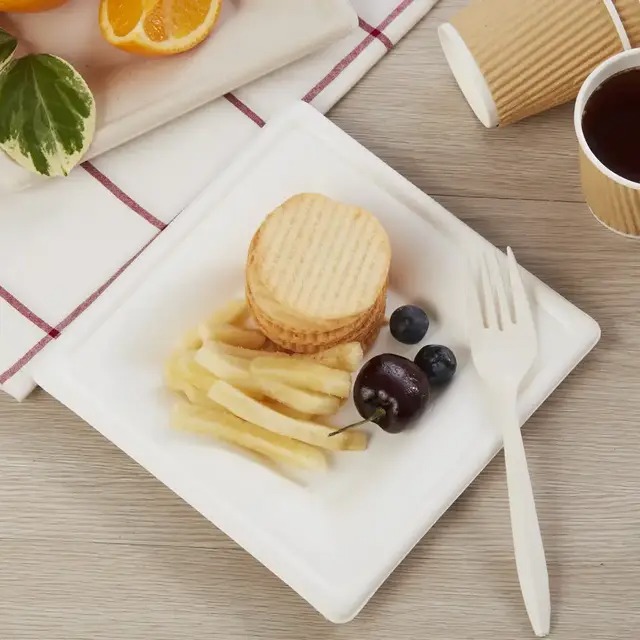
This is a commonly asked question: Are bagasse plates recyclable? Technically, they are not recyclable in the traditional sense, as they are made from organic matter. However, they are 100% compostable — and that’s even better.
Decomposes naturally in a home compost or commercial composting facility.
Returns nutrients to the soil.
Reduces landfill waste and carbon emissions.
If you’re aiming for a circular economy approach, biodegradable bagasse plates are the way to go.
Another common concern revolves around safety: Are bagasse plates microwave safe? The answer is a confident yes. Because these plates are made from natural plant fibers and don’t contain synthetic polymers, they won’t melt or release toxins under heat.
| Feature | Bagasse Plates | Plastic Plates |
|---|---|---|
| Microwave-safe | ✅ Yes | ❌ No (most) |
| Eco-friendly | ✅ Yes | ❌ No |
| Biodegradable | ✅ Yes | ❌ No |
| Heat resistance | ✅ Excellent | ❌ Poor |
| Aesthetic | ✅ Natural look | ❌ Industrial look |
This makes sugarcane bagasse plates a superior alternative not only in function but also in environmental impact.
With global demand for sustainable packaging solutions skyrocketing, the market for sugarcane bagasse plates manufacturers and equipment has expanded significantly.
Government Regulations banning single-use plastics
Eco-conscious Consumers seeking sustainable lifestyle choices
Food Service Businesses aiming to meet sustainability goals
To meet this demand, manufacturers rely heavily on the sugarcane bagasse plates making machine — a piece of equipment that automates the plate production process, ensuring uniform quality and scalability.
Prices vary depending on plate size, thickness, and customization. On average:
Small bagasse plate (6-inch): $0.03–$0.06/pc
Medium bagasse plate (8-inch): $0.06–$0.10/pc
Large bagasse plate (10-inch): $0.10–$0.18/pc
Cost is slightly higher than traditional plastic plates, but the environmental benefits justify the expense for many consumers and businesses.
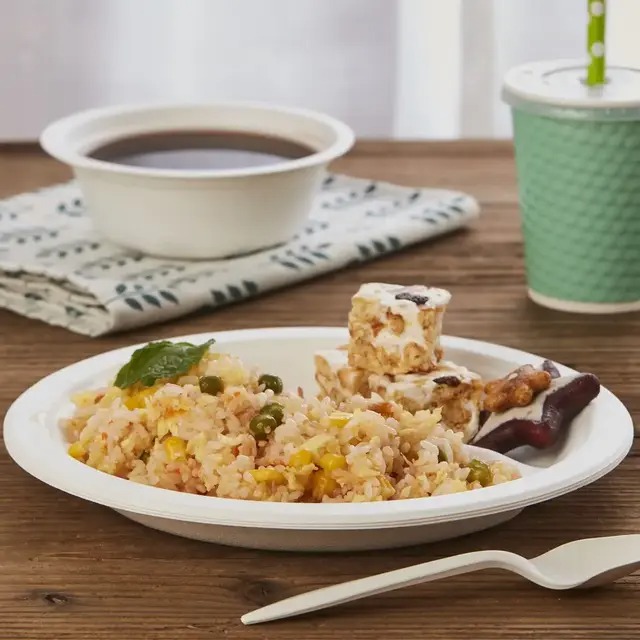
Curious about how to make bagasse plates on a small scale? While industrial machines are the most efficient, small-scale setups are possible for experimentation or artisanal production.
Source bagasse pulp or sugarcane fiber from local juice vendors.
Blend with water to create a smooth pulp.
Use a mold (such as a heat-safe plate mold or cast) to shape.
Apply gentle pressure and heat using a heated press or oven.
Dry thoroughly before use.
Though this is not feasible for mass production, it offers a great hands-on learning opportunity and is popular among sustainability hobbyists and local entrepreneurs.
Q1: Are bagasse plates safe for food?
Yes, they are made from natural materials and free from harmful chemicals.
Q2: Do bagasse plates get soggy?
No, they can handle both hot and wet foods without disintegrating.
Q3: Can I reuse a bagasse plate?
They are designed for single use but can sometimes withstand light rinsing.
Q4: How long does it take for bagasse plates to decompose?
Under proper composting conditions, they break down within 60–90 days.
Q5: Where can I buy bagasse plates?
They are available through eco-supply retailers and many online platforms.
As environmental concerns continue to rise, switching to bagasse plates is no longer just a trend — it’s a necessity. From their renewable source material and compostable nature, to their strength and versatility, sugarcane bagasse plates are redefining what it means to be eco-friendly.
Whether you’re a consumer looking to make better choices, or a foodservice business aiming to meet regulatory requirements, biodegradable bagasse plates offer a solution that is both practical and planet-friendly.


