+86-136-0073-8328 nancy.huang@geotegrity.com
- All
- Product Name
- Product Keyword
- Product Model
- Product Summary
- Product Description
- Multi Field Search


Views: 0 Author: Site Editor Publish Time: 2025-11-11 Origin: Site


As consumers, businesses, and governments increasingly embrace sustainability, compostable coffee cups have emerged as a vital alternative to traditional plastic and paper cups. The global movement away from single-use plastics has accelerated the adoption of eco-friendly materials such as bagasse and PLA (polylactic acid) — both offering compostable, renewable, and lower-carbon options. However, understanding the differences between these materials is essential for selecting the right solution for your coffee business or sustainability goals.
Every year, billions of disposable coffee cups end up in landfills, where most never decompose. Traditional paper cups are often lined with plastic to make them waterproof, which prevents them from being recycled. Similarly, plastic cups made from polyethylene or polystyrene can take hundreds of years to break down, releasing microplastics and greenhouse gases into the environment.
Compostable coffee cups aim to solve this issue by using materials that break down naturally into organic matter under composting conditions. Unlike conventional plastics, compostable materials are made from renewable resources such as plant fibers or biopolymers, significantly reducing environmental harm. Two leading contenders in this eco-friendly revolution are bagasse and PLA.
Bagasse is a natural byproduct of sugarcane processing. After juice extraction, the leftover fibrous pulp — called bagasse — is collected, cleaned, and converted into pulp suitable for molding into cups, plates, and packaging products.
Key Features of Bagasse:
Plant-based and renewable: It utilizes agricultural waste that would otherwise be discarded or burned.
Compostable and biodegradable: Bagasse decomposes within 60–90 days in industrial composting environments.
Durable and heat-resistant: It can handle hot beverages up to 90–100°C without warping or leaking.
Plastic-free: Bagasse cups are fully compostable without needing synthetic linings.
Bagasse is particularly valued for turning waste into a useful resource, creating a circular economy that benefits both agriculture and the environment.
PLA, or polylactic acid, is a bioplastic derived from fermented plant starches, usually corn, sugarcane, or cassava. It is processed into a resin that can be molded or extruded into cup linings or transparent cup bodies.
Key Features of PLA:
Renewable origin: Made entirely from plants rather than fossil fuels.
Excellent clarity: Often used in clear cold cups for iced beverages.
Industrial compostability: Breaks down into carbon dioxide and water under controlled composting conditions.
Lightweight and printable: Ideal for branding and modern cup designs.
PLA’s biggest strength lies in its versatility—it can mimic conventional plastics in appearance and function, yet still originate from renewable resources.
Feature | Bagasse Compostable Cup | PLA Compostable Cup |
Source Material | Sugarcane fiber (agricultural byproduct) | Plant starch (e.g., corn or sugarcane) |
Best Use | Hot beverages (coffee, tea, cocoa) | Cold beverages (iced coffee, smoothies) |
Heat Resistance | Up to 100°C | Up to 45°C |
Compostability | Home and industrial compostable | Industrial composting required |
Biodegradation Time | 2–3 months (industrial) | 3–6 months (industrial) |
Appearance | Matte, natural fiber texture | Clear or glossy finish |
Environmental Benefit | Reuses agricultural waste | Reduces dependency on petroleum-based plastics |
Bagasse cups are ideal for hot drinks, while PLA cups are better suited for cold beverages due to temperature sensitivity. Both are excellent alternatives to single-use plastics but differ in composting requirements and visual presentation.
When evaluating compostable coffee cups, environmental impact is a key factor. Both bagasse and PLA offer eco-friendly alternatives to traditional plastics, but their production, resource use, and end-of-life characteristics differ significantly.
Renewable Resource Utilization
Bagasse is a byproduct of sugarcane processing, meaning it repurposes waste that would otherwise be discarded or burned. This reduces pressure on forests and promotes a circular economy by converting agricultural residue into valuable packaging. Since it uses an existing resource, bagasse is inherently sustainable without competing with food production.
PLA, in contrast, is produced from plant starches such as corn, sugarcane, or cassava. While these are renewable resources, PLA production requires crops grown specifically for bioplastic manufacturing. This consumes arable land, water, and fertilizers, which could have indirect effects on food supply and environmental sustainability, especially in regions with competing agricultural demands.
Energy and Carbon Footprint
Bagasse processing is relatively energy-efficient, as it utilizes a waste stream that requires minimal treatment before being molded into cups. The carbon footprint of bagasse cups is lower than many traditional paper cups lined with plastics.
PLA production involves multiple energy-intensive steps, including fermentation, polymerization, and refining. Despite this, PLA cups still have a smaller carbon footprint than petroleum-based plastics. Both materials reduce reliance on fossil fuels, contribute to lower greenhouse gas emissions, and help mitigate the environmental impact of single-use cups.
End-of-Life and Composting
Bagasse cups are naturally compostable in both home and industrial settings. They typically decompose within 60–90 days, leaving nutrient-rich organic matter that can enhance soil health. Their straightforward compostability reduces waste and landfill accumulation.
PLA cups, while biodegradable, require industrial composting conditions, typically above 60°C with controlled humidity. In the absence of proper composting facilities, PLA cups may persist for years in landfills or the environment, diminishing their sustainability advantage.
Recycling Compatibility
Neither bagasse nor PLA should be placed in conventional recycling streams designed for plastics. Mixing compostable materials with traditional plastics can contaminate recycling processes and reduce overall efficiency. Clear labeling and appropriate waste management infrastructure are essential to ensure that these cups reach composting facilities instead of ending up in landfills.
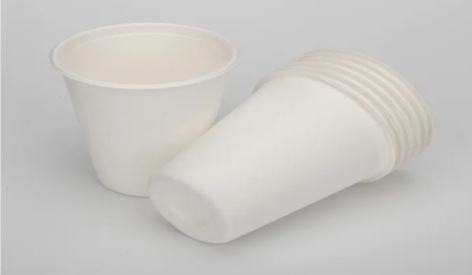
Bagasse Cups:
Bagasse cups have a fibrous, slightly textured surface that provides natural insulation and a secure grip. They are heat-resistant, typically handling beverages up to 90–100°C without softening, warping, or leaking. Because they do not require plastic linings, bagasse cups remain fully compostable and environmentally friendly while offering durability for everyday use.
PLA Cups:
PLA cups are transparent and lightweight, providing a crystal-clear appearance similar to PET plastic. They are ideal for cold beverages such as iced coffee, smoothies, and juices, combining aesthetic appeal with eco-friendliness. However, PLA cups soften when exposed to hot liquids above 45°C, limiting their use for hot drinks.
Both bagasse and PLA cups can be fully customized with printed logos, embossed designs, or decorative coatings, allowing brands to align their packaging with sustainability messaging. These options make eco-friendly cups not only functional but also a key marketing tool for environmentally conscious businesses.
Historically, compostable cups were more expensive than traditional plastic options. However, as global demand and manufacturing capacity grow, both bagasse and PLA products have become more affordable.
Bagasse cups are cost-competitive, especially in regions with abundant sugarcane industries.
PLA cups may still carry a slight price premium due to higher production complexity but remain popular in the beverage and retail sectors that value transparency and visual appeal.
Businesses should consider not only initial costs but also long-term sustainability benefits, including improved brand image and compliance with environmental regulations.
When selecting compostable coffee cups, look for recognized certifications that verify compostability and safety:
EN 13432 (Europe) and ASTM D6400 (USA): Confirm industrial compostability.
BPI Certified Compostable: Ensures products meet North American composting standards.
OK Compost HOME: Indicates suitability for home composting (bagasse often qualifies).
FDA & LFGB Approvals: Verify food safety compliance.
Certified products guarantee that materials will decompose under the right conditions and leave no harmful residues behind.
The answer depends on your application and sustainability priorities:
Choose Bagasse if:
You serve hot beverages.
You prioritize complete biodegradability and home compostability.
You want a natural, paper-like texture.
Your region supports composting or agricultural recycling systems.
Choose PLA if:
You serve cold beverages like iced coffee, smoothies, or juices.
You value crystal-clear aesthetics and lightweight performance.
You operate in an area with industrial composting facilities.
You need durable yet eco-friendly alternatives to plastic.
For many coffee shops, the ideal solution may involve using bagasse cups for hot drinks and PLA cups for cold drinks, ensuring sustainability across the full beverage menu.
Both bagasse and PLA compostable coffee cups represent important steps toward a cleaner, greener future. Each offers unique benefits in terms of performance, sustainability, and aesthetics. The right choice depends on your specific application—whether you’re serving hot espresso or refreshing iced lattes, there’s an eco-friendly cup designed for your needs.
For companies and coffee brands seeking reliable, high-quality compostable packaging solutions, GeoTegrity Eco Pack (Xiamen) Co., Ltd. provides a wide range of sustainable products made from bagasse, PLA, and other biodegradable materials. Their advanced manufacturing and commitment to environmental innovation make them a trusted partner for businesses transitioning toward greener packaging.
To explore more about compostable coffee cups or discuss tailored eco-packaging solutions, visit GeoTegrity Eco Pack (Xiamen) Co., Ltd. for professional support in building a more sustainable brand future.


